Why SAML Became Prevalent
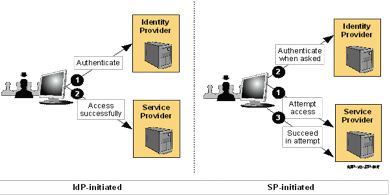
•The rise of Software as a Service (SaaS) vendors with cloud based knowledge repositories exacerbated the number of directories and methods for companies to hook-in authorized users. When customers sign into applications with SAML, at their most evolved state of implementation, the host is transferring ownership of the authorization process to a 3rd party identity provider. This means the host application is no longer responsible for figuring out who a user is, because with SAML that’s now the role of a customer’s Identity Provider (IdP). An Identity Provider is a system that implements protocols for making claims about a user’s identity to other resources (like the web application the user is accessing). In the early days of SaaS, each cloud company had to negotiate with users and companies purchasing their services methods for access. Lack of standards led to vendor-lock and slowness in masses of users adopting the cloud services. When a company configures an application to use SAML they are taking back ownership of the authorization process for its users creating a win-win for both the SaaS provider and the company as provisioning users to the new service is quickened. Now, policies on the back-end at the company can enforce more granular access control (such as restricting access to an application based on the time of day, the location of the user, the user’s role within their organization, etc) enforce additional levels of authentication, such as multi-factor authentication (which means individual developers needn't worry about integrating with a bunch of different two factor providers to meet each customers’ requirements), as that more secure approach also can become the role of their Identity Security Provider.
•Some of the key benefits include:
•Allowing companies to better own authentication which had escaped to Shadow IT
•Eliminating passwords in applications and reducing the risk of phishing attacks or database code exposures
•Making it easier for companies to roll out applications
•Enabling companies to be more secure in how they access and provision applications
•Empowering companies to create a security and authentication model based on their requirements vs. forcing them to adhere to vendor-lock from others