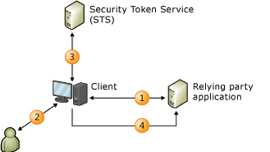
Claims Based Identity
An identity, in the case of SAML, is a digital representation of a person. When an application uses SAML for authentication, instead of the old-fashioned username/password model, the process is actually using “claims- based authentication”. This means a company receives (consumes) a claim about a user’s identity rather than requiring them to authenticate. With the “claim” received, an application call creates a session for the user within a developed application. This involves, receiving the claim, verifying it is truthful and has not been tampered with, reading the user’s name out of it, and then using that name in an application to authenticate the user against an internal directory. To the user, the number of steps where they are challenged to prove themselves will be reduced as the process is trusted or chained to trusted identity. To the developer, they needn't develop code that must handle every possible entry/exit authorization contingency; because this function is handled by the appropriate parties already.