Password as Identity
•Fernando Corbató first developed the password in the 1960s. In the 1960's, Bell laboratories and MIT required password security to access its Unics (UNIX) system (CTSS 1961). This system had a
LOGIN command that requested a user password. "After typing
PASSWORD, the system turns off the printing mechanism, if possible, so that the user could type in his password with privacy."
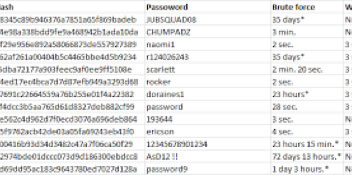
[4] With the proliferation of electronic mail and financial and administrative transactions passed between computers, proxied identity in the form of passwords became the most popular means to approve access to information/communication. This form of authentication (based on something you know) ensured you are who you say you are. It took less than one year (1962) for a breach of the master password file exposing all of the user's passwords to challenge the value/authority of computer identity management.
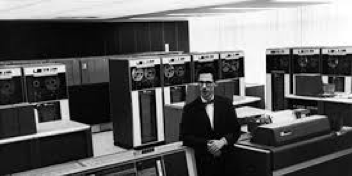
• In the early 1970s,
Robert Morris developed a system of storing login passwords in a hashed form as part of the
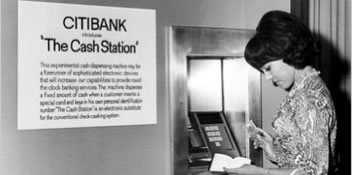
Unix operating system. The union of cryptography with proxied identity was born. In the 1960's the first commercial ATM using two factor verification gained a novel standing. Two factors, the first being something you know, typically a PIN number the user has memorized and the second, something you have: a card encoded with a distinct sequence of alphanumeric identifiers mapped to that user's information in a back-end database were used to assert identity. Authentication schemes are used to verify the claimed identity of a user.
•The four categories from the 1970's still hold today (something known: PIN or username/password; something you have SmartCards and Digital Certificates; something you are: biometrics like fingerprints, voice or retina scans and where you are located (geo-location, time-zone or geo-coded IP address)(pg 327). Any 2 or more factors combined are best practice for trusted authentication. Individual user passwords are still prevalent for the "what you know: identity type, provided they remain secure.
•Passwords existed in physical and verbal form for centuries beforehand. But this digital innovation worked to secure the early corporate networks of the 1980s as a standard practice. Yet as passwords entered the 21st century, they began to show some wear and tear. Unfortunately, as password cracking techniques and tools improve and proliferate, passwords become less reliable. Often, hackers can find the relevant information to guess passwords with a cursory glance at social media profiles.