Origins of Identity
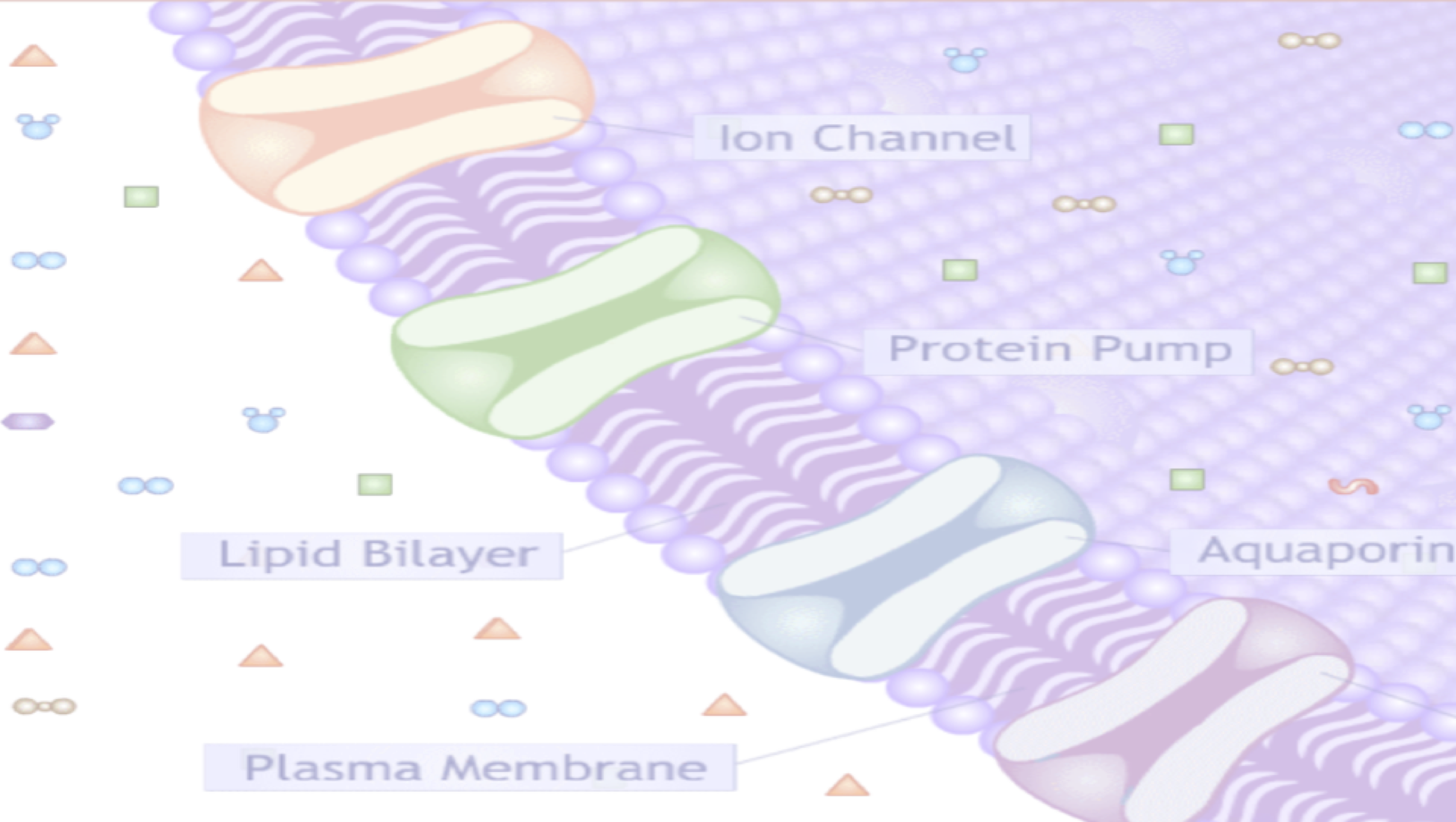
Humans didn't create identity; they evolved from earlier forms of it. Selection started with proteins lining primitive cell membranes, letting some molecules in while excluding others. The exchange of genetic material led to a wide variety of early microbial and plant allelopathic (a form of chemical warfare) evolution but also led to symbiosis and colonial structures. Pattern recognition among invertebrate animals permitted them to distinguish between "self" and "other"; predators and prey.
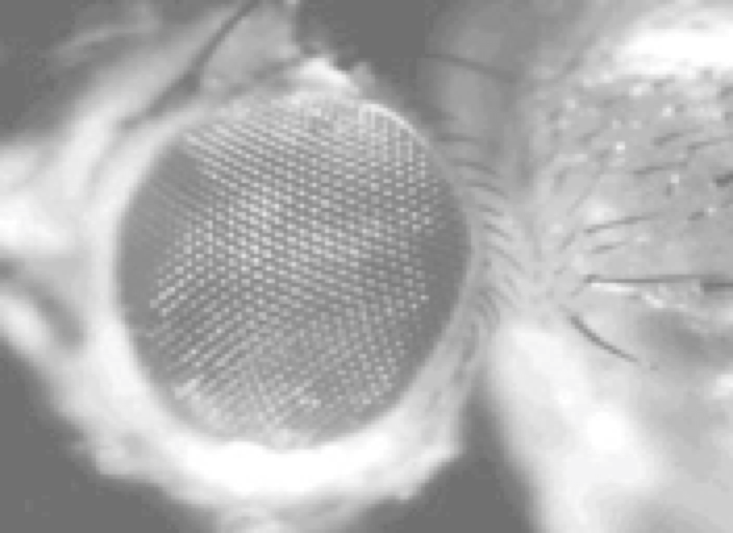 Compound eyes, led to central nervous system development and male and female differentiation refined identity within species. Over millennia, species adaptive radiation favored organisms with better cognition and through complex animal behaviors animals specialized to better recognize identity.
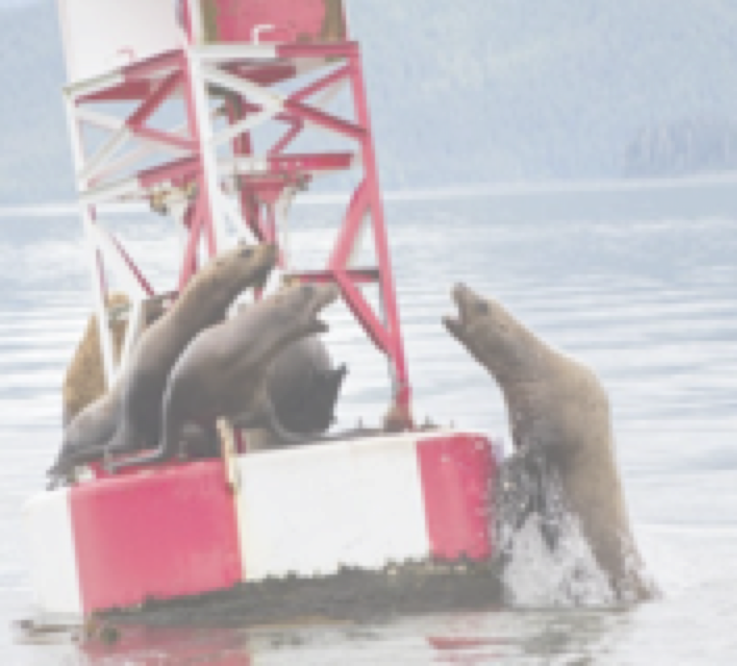
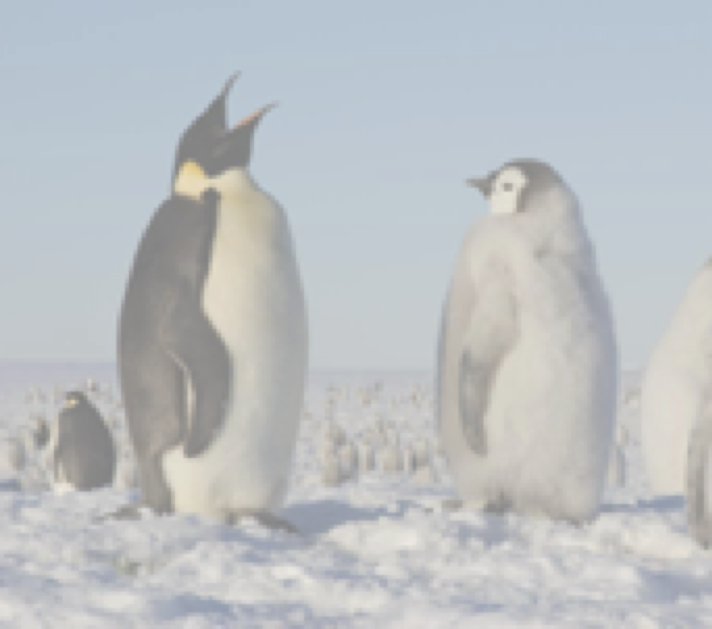
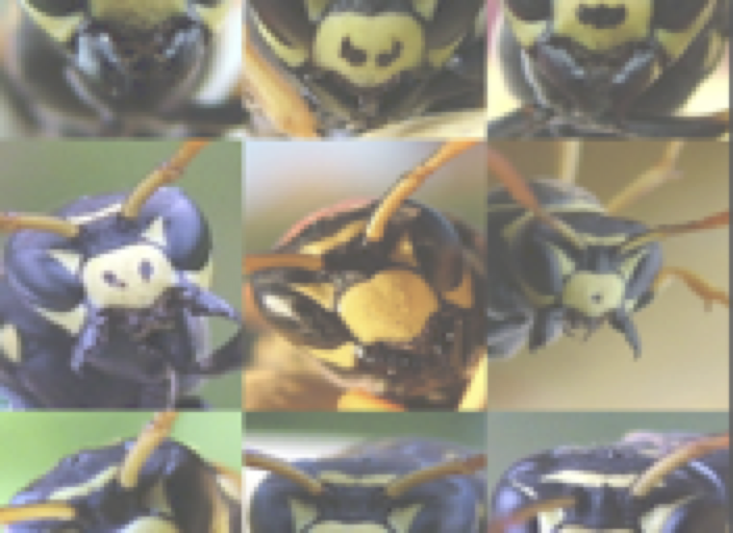
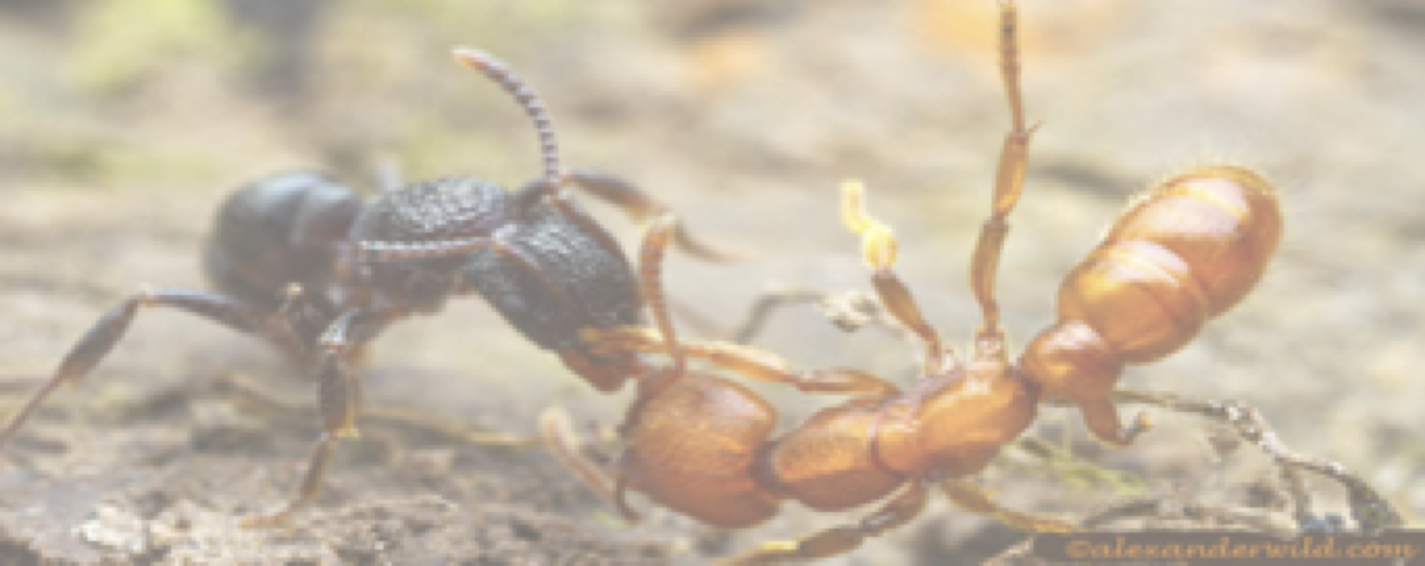 Recognition of kin, mates, neighbors, rivals and predators became an innate function within animal societies. Always, with identity one organism is the receiver the other the signaler. Ants (Formicidae) recognize nest-mates with chemicals, auditory vocalizations draw penguins together and sea lions into fierce rivalries and the facial patterns of paper wasps help them recognize individuals within huge colonies. The fundamentals of identity and signaling work at multiple scales (cellular, individual, community, etc.).