Identity Protection
To practically harness identity at scale, human societies improved upon signaling and developed outlier obfuscation techniques to communicate or broadcast identity and access/action covertly.
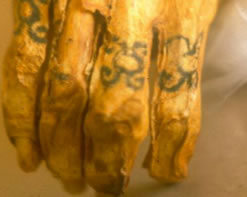
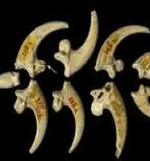
Evolution of signaling refinement stretches back 100,000 years preserved in jewelry and other decorative goods in South Africa, Israel and Algeria. Evidence of tattooing and skin markings extend back 2000 BCE, and were codified in the first written Roman census (209BCE).

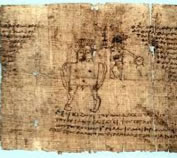 In parallel development, Hebrew scholars made use of simple monoalphabetic substitution ciphers (such as the Atbash cipher) beginning perhaps around 500 to 600 BCE.[4][5] In India around 400 BCE to 200 CE, Mlecchita vikalpa or the art of understanding writing in cypher, and the writing of words in a peculiar way was documented in the Kama Sutra for the purpose of communication between lovers. This was also likely a simple substitution cipher.[6][7] Parts of the Egyptian demotic Greek Magical Papyri were written in a cypher script.[8] The ancient Greeks used ciphers.
 Physical evidence is embodied in the scytale transposition cipher used by the Spartan military,[5] however it is disputed whether the scytale was for encryption, authentication, or avoiding bad omens in speech.[9]
 [10] However, the fact that the authors of these ancient works ciphered their own names is important to Identity history.