Identity Access Management
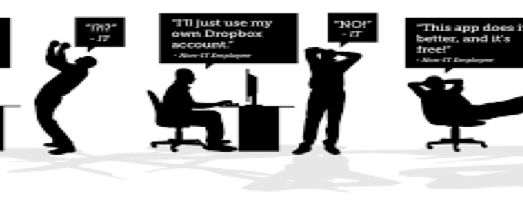
Digital Identity exists in many different forms, for example: network connections, desktop applications, mobile applications, and of course web based applications. Companies are embracing Unified Access Management (UAM) because they want to use their existing corporate directories (such as an Active Directory) to authenticate a user into all of the resources that user will use to perform their job, especially SaaS applications. Without this capability, users and internal groups can bypass security practices (often called Shadow-IT) and set up proliferations of identity and uncoordinated authentication controls. This is a shame, because most companies have significant investments in at least one true and trusted authority for users (their directory). Once a company decides it wants to extend their own existing security perimeter (their corporate network) into the cloud to reduce the number of shadow-IT projects, they will actively search for standards.